


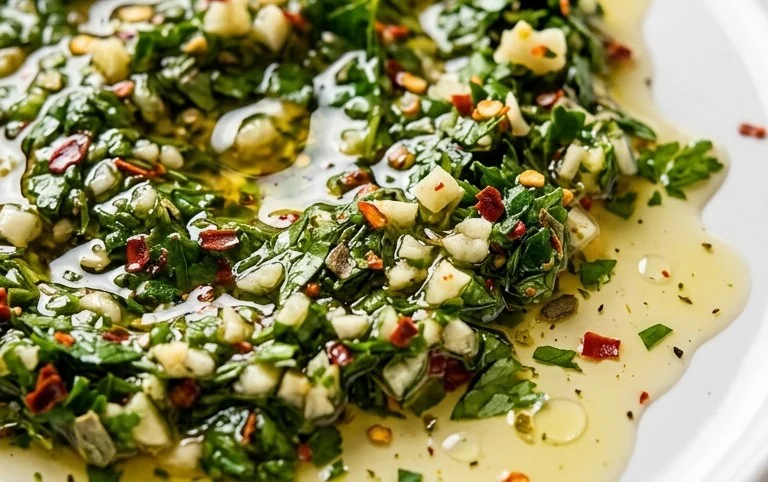
Chimichurri sauce recipe. Oh, that vibrant green, herbaceous magic! If you’ve ever grilled a steak to perfection, or even just roasted some vegetables, and then drizzled over that zesty, garlicky goodness, you know exactly what I’m talking about. This isn’t just a sauce; it’s an experience, a flavor explosion that elevates the simplest of ingredients into something truly spectacular. What makes this chimichurri sauce recipe so universally loved? It’s the perfect balance: fresh parsley and oregano, pungent garlic, a kick of red pepper flakes, and that bright, tangy embrace of vinegar and olive oil. It’s incredibly versatile, cutting through richness, adding freshness, and leaving you craving another bite. This isn’t just a condiment; it’s the secret weapon in my culinary arsenal, and I’m thrilled to share my favorite chimichurri sauce recipe with you today. Get ready to transform your meals!

Chimichurri Sauce Recipe
There’s something truly magical about a vibrant, herbaceous sauce that can elevate the simplest grilled steak or roasted vegetables to a gourmet experience. That, my friends, is the power of chimichurri. Hailing from Argentina and Uruguay, this uncooked sauce is a revelation of fresh flavors, dominated by parsley and garlic, with a bright, tangy finish. It’s incredibly easy to make, and the difference it makes to your cooking is simply astonishing. Forget bland marinades; this is where the flavor lives!
Chimichurri is surprisingly versatile. While it’s famously paired with grilled meats, especially steak (it’s practically a love language between Argentinian asado and this sauce!), I’ve found it to be a fantastic accompaniment to grilled chicken, fish, beef, and even roasted root vegetables. A drizzle over grilled halloumi is divine, and it’s a game-changer for scrambled eggs or avocado toast. The beauty of chimichurri lies in its freshness and the balance of its ingredients. It’s not just about throwing things in a blender; it’s about creating a harmonious blend that sings on your palate.
The key to an exceptional chimichurri is using the freshest ingredients you can find. Don’t skimp on the quality of your olive oil or vinegar; they are foundational to the sauce’s flavor profile. I prefer Italian flat-leaf parsley for its more robust, less peppery flavor compared to curly parsley. Cilantro adds a touch of bright, citrusy complexity, and oregano brings its distinct earthy, slightly bitter notes. Red onion or shallots provide a subtle sweetness and pungency that mellows beautifully. And of course, garlic – the soul of many a great sauce.
Ingredients:
Instructions:
1. Prepare the Herbs and Aromatics: The first crucial step is to meticulously prepare your fresh herbs. For the parsley, cilantro, and oregano, ensure you are only using the leafy parts. The stems of parsley can be quite fibrous and tough, and while some softer herb stems (like cilantro) can be used if finely chopped, for chimichurri, it’s best to remove them all to ensure a smooth and pleasant texture. I like to give the herbs a gentle rinse and then pat them thoroughly dry with paper towels. Excess water can dilute the flavor and affect the consistency of your sauce. Next, take your roughly chopped red onion or shallots and your peeled garlic cloves. If you’re using a food processor, you can add these directly. If you’re going the manual route with a knife, mince the garlic very finely.
2. Chop and Combine the Solid Ingredients: This is where the magic begin extracts to take shape. If you’re using a food processor or blender, this step is simplified. Add the prepared parsley leaves, cilantro leaves, oregano leaves, chopped red onion (or shallots), peeled garlic cloves, and red pepper flakes to the bowl of your food processor. Pulse these ingredients a few times until they are finely chopped but not completely pureed into a paste. You want some texture to your chimichurri; it shouldn’t be a smooth liquid. If you’re chopping by hand, use a very sharp knife to finely mince all the herbs and aromatics, then transfer them to a medium bowl. Make sure the garlic is minced as finely as possible. The red pepper flakes will add a gentle warmth, so adjust to your preference.
3. Emulsify the Sauce: Now it’s time to bring everything together and create that beautiful, emulsified sauce. If you used a food processor, you can gradually stream in the extra-virgin extract olive oil while the processor is running on a low setting. Continue processing until the oil is fully incorporated and the sauce has a slightly thickened, cohesive texture. If you’re mixing by hand in a bowl, slowly drizzle in the olive oil while whisking continuously. The goal here is to create a beautiful emulsion where the oil and the liquids are suspended together, resulting in a rich, flavorful sauce. Don’t rush this step; the slow addition of oil is key to a well-emulsified sauce.
4. Add the Tang and Season: The final elements to introduce are the acidic components and the salt, which will awaken all the flavors. Add the red grape juice vinegar and the fresh lemon juice to the mixture. The vinegar provides a distinct tang, while the lemon juice adds a brighter, fresher citrus note. Stir everything together thoroughly. Now, season generously with the kosher salt. I always recommend tasting your chimichurri at this stage and adjusting the salt and acidity as needed. Sometimes, depending on the freshness of your herbs and the type of vinegar and lemon used, you might want a touch more salt or a splash more vinegar or lemon juice. You’re looking for a balanced flavor that is herbaceous, garlicky, slightly spicy, tangy, and perfectly seasoned.
5. Rest and Serve: This might seem like an optional step, but I highly recommend it. Once all the ingredients are combined and seasoned, cover the chimichurri and let it rest in the refrigerator for at least 30 minutes, or ideally for an hour. This resting period allows the flavors to meld and deepen, creating a more harmonious and complex taste. The garlic and onion will mellow slightly, and the herbs will infuse their vibrant essence into the oil and vinegar. Before serving, give the chimichurri a good stir. It might separate a little, which is perfectly normal. You can serve it immediately or store it in an airtight container in the refrigerator for up to a week. Its flavor actually improves over time! I love to serve it at room temperature to truly appreciate its fresh aroma and vibrant taste.
Enjoy your homemade chimichurri! It’s a simple sauce that packs an incredible punch of flavor and will undoubtedly become a staple in your culinary repertoire.
Conclusion:
I hope you’re as excited as I am to whip up a batch of this vibrant and zesty Chimichurri sauce! This recipe is truly a game-changer, offering a burst of fresh, herbaceous flavor that elevates everything it touches. Its simplicity belies its incredible impact, making it a go-to for adding a gourmet touch to any meal. Whether you’re grilling steak, roasting chicken, or even just jazzing up some roasted vegetables, this chimichurri recipe is guaranteed to impress. Don’t be afraid to experiment with the herbs; fresh parsley and oregano are traditional, but I find mint adds a delightful twist. Now, go forth and enjoy the incredible taste of homemade chimichurri!
Frequently Asked Questions:
Q: How long does chimichurri sauce last?
A: Properly stored in an airtight container in the refrigerator, your chimichurri sauce should stay fresh and delicious for up to 5-7 days. The vibrant green color might fade slightly over time, but the flavor will remain excellent.
Q: Can I make chimichurri sauce ahead of time?
A: Absolutely! In fact, I often find the flavors meld even better if you let it sit for at least 30 minutes to an hour before serving. It’s perfect for making a day in advance for your next barbecue or dinner party.
Q: What if I don’t have fresh oregano?
A: While fresh is always best for chimichurri sauce, you can substitute dried oregano in a pinch. Use about 1 teaspoon of dried oregano for every tablespoon of fresh. Just be aware that the flavor might be a little less bright.
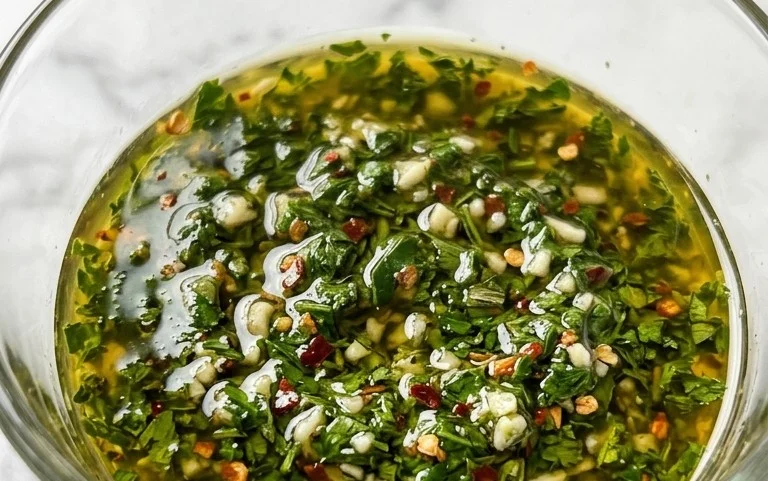
Chimichurri Sauce Recipe
A vibrant and herbaceous Argentinian sauce, perfect for grilling.
Ingredients
-
1 cup fresh Italian flat-leaf parsley, leaves only, stems removed
-
1/4 cup fresh cilantro, leaves only, stems removed
-
1/4 cup fresh oregano, leaves only, stems removed
-
1/3 cup roughly chopped red onion
-
3 cloves garlic, peeled
-
1/2 teaspoon red pepper flakes
-
1/2 cup extra-virgin olive oil
-
1/4 cup red grape juice vinegar
-
3 tablespoons fresh lemon juice
-
1 teaspoon kosher salt
Instructions
-
Step 1
Finely chop the parsley, cilantro, and oregano. -
Step 2
Finely chop the red onion and garlic. -
Step 3
In a medium bowl, combine the chopped herbs, onion, garlic, and red pepper flakes. -
Step 4
Whisk in the olive oil, red grape juice vinegar, lemon juice, and salt until well combined. -
Step 5
Taste and adjust seasoning as needed. -
Step 6
Let the sauce sit for at least 15 minutes to allow the flavors to meld before serving.
Important Information
Nutrition Facts (Per Serving)
It is important to consider this information as approximate and not to use it as definitive health advice.
Allergy Information
Please check ingredients for potential allergens and consult a health professional if in doubt.


Leave a Comment