


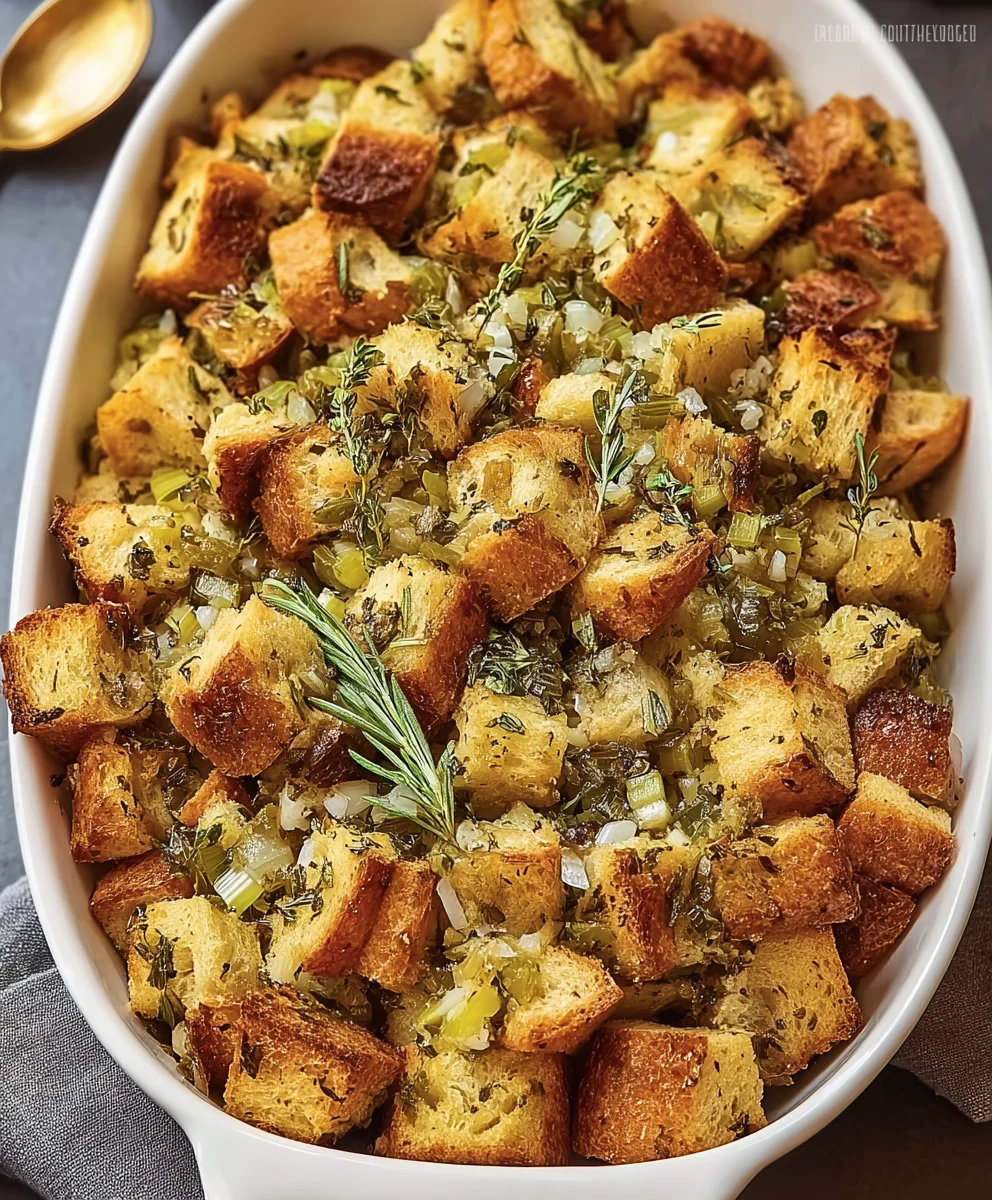
Classic Stuffing is more than just a side dish; it’s a culinary cornerstone, a fragrant hug in a bowl that instantly evokes warmth, comfort, and the joy of shared meals. What is it about this savory bread pudding that captures our hearts and palates year after year? Perhaps it’s the satisfying interplay of textures – the tender, herb-infused bread, the crisp golden edges, and the tender bits of celery and onion. Or maybe it’s the symphony of aromatic spices, like sage, thyme, and rosemary, that fill the kitchen with an irresistible scent, signaling that something truly special is about to be served. This isn’t just about filling a bird; it’s about creating a memory, a taste of home that we eagerly anticnon-alcoholic ipate throughout the year. The magic of Classic Stuffing lies in its simplicity and its profound ability to bring people together, making it an indispensable part of any celebratory feast. Get ready to rediscover this beloved recipe and make your next gathering unforgettable.

Ingredients:
- 1 cup unsalted butter
- 1 lb day-old white French bread, diced into ½-inch cubes
- 1 ½ cups celery, diced
- 1 large Vidalia or yellow onion, diced
- ⅔ cup parsley, finely chopped
- ¼ cup fresh sage, minced
- 3 tbsp rosemary, minced
- 2 tbsp fresh thyme, minced
- 1 tsp salt
- 1 tsp pepper
- 2 ½ cups low-sodium chicken broth
- 2 large eggs
Preparing the Bread for the Perfect Classic Stuffing
The foundation of any great Classic Stuffing is well-prepared bread. Using day-old bread is crucial because it has lost some of its moisture, making it firmer and less likely to turn mushy when it absorbs the liquid from the other ingredients. French bread, with its airy interior and crisp crust, is an excellent choice for this recipe, providing delightful textural contrast. You’ll want to dice your bread into roughly ½-inch cubes. This size is ideal for absorbing the savory flavors without disintegrating. If your bread is very fresh, you can spread the diced cubes on a baking sheet and leave them out on the counter for a few hours, or even toast them lightly in a 300°F (150°C) oven for about 10-15 minutes, until they are just slightly dried out. This step ensures you achieve that desirable slightly chewy, slightly crisp texture in your finished stuffing.
Sautéing the Aromatics for Depth of Flavor
This stage is where we build the foundational flavors of our Classic Stuffing. In a large skillet or Dutch oven, melt the unsalted butter over medium heat. Once the butter is fully melted and begin extracts to gently foam, add the diced celery and diced Vidalia or yellow onion. These vegetables will soften and release their natural sweetness and savory notes as they cook. Stir them frequently to ensure even cooking and to prevent any sticking or burning. You’re looking for the vegetables to become tender and translucent, which typically takes about 8-10 minutes. This gentle sautéing process is key to unlocking their full flavor potential, which will then permeate every bite of your stuffing. Don’t rush this step; patience here will be richly rewarded with a more complex and satisfying stuffing.
Infusing with Fresh Herbs
Once the celery and onions are tender, it’s time to introduce the herbs that will give our Classic Stuffing its signature aromatic profile. Add the finely chopped parsley, minced fresh sage, minced rosemary, and minced fresh thyme to the skillet with the softened vegetables. Stir everything together well. Continue to cook for another 1-2 minutes, allowing the heat to release the fragrant oils from the fresh herbs. You’ll notice a wonderful aroma filling your kitchen at this point – a sure sign that your stuffing is on its way to becoming truly exceptional. The combination of these herbs provides a balanced, earthy, and slightly peppery complexity that is essential to a classic stuffing. Be sure to mince the herbs finely so they are distributed evenly throughout the dish.
Combining and Binding the Ingredients
Now, we bring all the elements together to create the base of our stuffing. Add the seasoned bread cubes to the skillet with the sautéed vegetables and herbs. Gently toss them to coat the bread evenly with the butter and aromatics. Sprinkle the salt and pepper over the mixture and toss again. In a separate medium bowl, whisk together the 2 ½ cups of low-sodium chicken broth and the 2 large eggs until thoroughly combined. This egg and broth mixture acts as the binder, holding the stuffing together and providing moisture. Pour this liquid mixture evenly over the bread and vegetable mixture in the skillet.
Gently Tossing and Preparing for Baking
Carefully fold the liquid into the bread mixture using a spatula or large spoon. You want to ensure that all the bread cubes are moistened, but avoid overmixing or stirring too vigorously, as this can break down the bread and lead to a mushy texture. The goal is for each piece of bread to absorb some of the flavorful liquid. Once everything is well combined, transfer the stuffing mixture to a greased 9×13 inch baking dish or a similar-sized oven-safe casserole dish. Spread the mixture out evenly. If you prefer a crisper topping, you can reserve some of the butter from the initial melt and dot the top of the stuffing with it before baking. This step is optional but highly recommended for adding a delightful textural contrast.
Conclusion:
And there you have it – the perfect guide to creating a truly delicious Classic Stuffing! We’ve walked through each step, from selecting the best bread to achieving that ideal moisture balance and golden-brown crispiness. This recipe is a cornerstone of any holiday meal, bringin extractg comfort and flavor to your table. Remember, the key to an unforgettable Classic Stuffing lies in the quality of your ingredients and a touch of love in the preparation.
For serving suggestions, this Classic Stuffing is, of course, the ultimate companion to roasted turkey, beef ham, or chicken. It also makes a fantastic vegetarian side dish when served alongside roasted root vegetables or a hearty lentil loaf. Don’t be afraid to get creative with variations! Consider adding sautéed mushrooms, fresh sage, or toasted pecans for an extra layer of flavor and texture.
We hope you feel confident and inspired to try this recipe. It’s a rewarding dish that brings people together. Happy cooking!
Frequently Asked Questions:
Can I make this Classic Stuffing ahead of time?
Yes, absolutely! You can prepare the stuffing mixture (up to the point of adding the liquid and baking) a day in advance. Store it covered in the refrigerator. When ready to bake, you may need to add a tablespoon or two more liquid to rehydrate the bread before proceeding with the baking instructions.
What kind of bread is best for Classic Stuffing?
A day-old or slightly stnon-alcoholic ale bread is ideal for this Classic Stuffing. Sturdier breads like French bread, sourdough, or a good quality white bread work wonderfully as they hold their shape well and absorb the flavors without becoming mushy. Avoid very soft, fresh breads.
Can I bake this Classic Stuffing inside the turkey?
While traditional, baking stuffing inside the turkey can be a food safety concern, as it’s difficult to ensure the stuffing reaches a safe internal temperature. For the best results and peace of mind, we recommend baking your Classic Stuffing in a separate baking dish, as outlined in the recipe. This also allows for a crispier top layer!
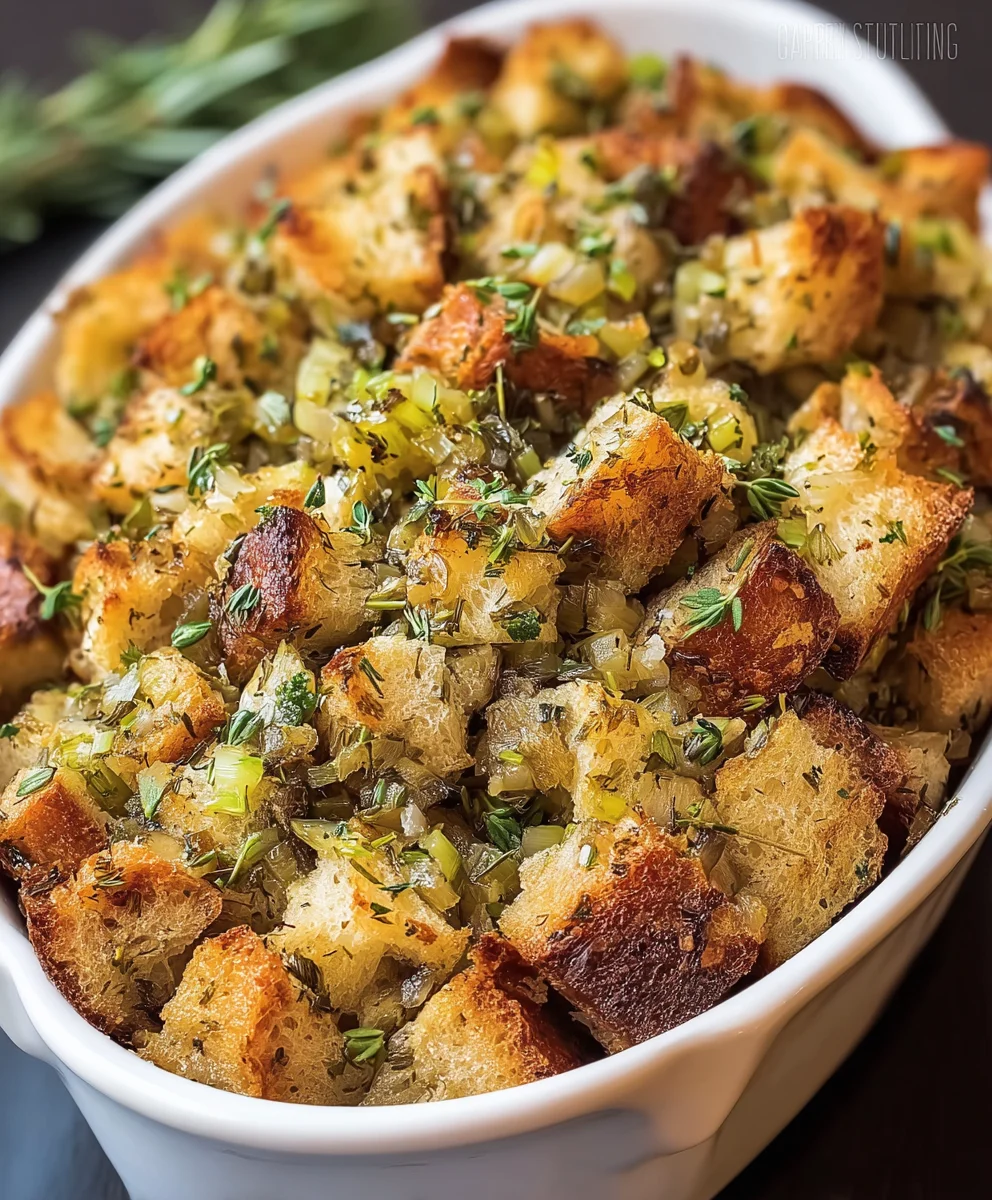
Classic Beef Stuffing Recipe-Holiday Favorite
A classic holiday favorite, this beef stuffing recipe offers a delicious blend of savory beef, aromatic herbs, and perfectly tender bread cubes, making it a perfect side dish for any festive meal.
Ingredients
-
1 cup unsalted butter
-
1 lb day-old white French bread, diced into ½-inch cubes
-
1 ½ cups celery, diced
-
1 large Vidalia or yellow onion, diced
-
⅔ cup parsley, finely chopped
-
¼ cup fresh sage, minced
-
3 tbsp rosemary, minced
-
2 tbsp fresh thyme, minced
-
1 tsp salt
-
1 tsp pepper
-
2 ½ cups low-sodium beef broth
-
2 large eggs
Instructions
-
Step 1
Prepare the bread by dicing day-old white French bread into ½-inch cubes. If fresh, toast lightly in a 300°F (150°C) oven for 10-15 minutes until slightly dried out. -
Step 2
In a large skillet or Dutch oven, melt 1 cup of unsalted butter over medium heat. Add 1 ½ cups diced celery and 1 large diced Vidalia or yellow onion. Sauté until tender and translucent, about 8-10 minutes. -
Step 3
Add ⅔ cup finely chopped parsley, ¼ cup minced fresh sage, 3 tbsp minced rosemary, and 2 tbsp minced fresh thyme to the skillet. Cook for another 1-2 minutes until fragrant. -
Step 4
Add the seasoned bread cubes to the skillet with the sautéed vegetables and herbs. Gently toss to coat. Sprinkle with 1 tsp salt and 1 tsp pepper, and toss again. -
Step 5
In a separate bowl, whisk together 2 ½ cups low-sodium beef broth and 2 large eggs. Pour this liquid mixture evenly over the bread and vegetable mixture. Gently fold to combine, ensuring all bread is moistened but not overmixed. -
Step 6
Transfer the stuffing mixture to a greased 9×13 inch baking dish or a similar-sized oven-safe casserole dish. Spread evenly. For a crisper topping, dot the top with reserved butter.
Important Information
Nutrition Facts (Per Serving)
It is important to consider this information as approximate and not to use it as definitive health advice.
Allergy Information
Please check ingredients for potential allergens and consult a health professional if in doubt.



Leave a Comment