


Beef Pasta in Tomato Sauce {Beef Ragu Pasta} isn’t just a meal; it’s a warm hug on a plate, a culinary masterpiece that consistently earns rave reviews and satisfied sighs. There’s something inherently comforting and deeply satisfying about this classic combination. People adore it because it strikes that perfect balance between hearty, savory, and slightly tangy, making it a go-to for family dinners, cozy nights in, or even impressing guests with minimal fuss. What truly elevates this particular Beef Pasta in Tomato Sauce {Beef Ragu Pasta} from ordinary to extraordinary is the slow-simmered depth of flavor. We’re talking about tender, melt-in-your-mouth beef, lovingly coaxed into submission with sweet tomatoes, aromatic vegetables, and a symphony of herbs that create a rich, complex sauce. This isn’t a dish you rush; it’s a labor of love that rewards every patient stir with an even more incredible result. Get ready to unlock the secrets to an unforgettable plate!

Ingredients:
- 1 pound ground beef
- 1 large onion, finely chopped
- 2 cloves garlic, minced
- 1 (28 ounce) can crushed tomatoes
- 1 (15 ounce) can tomato sauce
- 1 teaspoon dried oregano
- 1/2 teaspoon dried basil
- 1/4 teaspoon red pepper flakes (optional, for a little heat)
- Salt and freshly ground black pepper to taste
- 2 tablespoons olive oil
- 1 pound pasta (such as spaghetti, fettuccine, or penne)
- Freshly grated Parmesan cheese, for serving
Preparing the Ragu: A Foundation of Flavor
Sautéing the Aromatics
- Begin extract by heating the 2 tablespoons of olive oil in a large, heavy-bottomed pot or Dutch oven over medium heat. Once the oil is shimmering, add the finely chopped large onion. You want to cook the onion until it becomes translucengin extractnd begins to soften, which usually takes about 5 to 7 minutes. Stir frequently to ensure even cooking and to prevent any browning, as we’re aiming for a sweet, mellow onion base rather than a caramelized one. This gentle cooking process will release the onion’s natural sugars and build a crucial layer of flavor for our ragu.
- Next, add the minced garlic to the pot with the softened onions. Cook for another 1 to 2 minutes, stirring constantly, until the garlic is fragrant. Be careful not to burn the garlic, as burnt garlic can impart a bitter taste to the sauce. The goal here is to coax out its aromatic qualities without overcooking it. You’ll notice a wonderful aroma filling your kitchen at this stage, a sure sign that your ragu is developing beautifully.
Browning the Beef
- Now it’s time to add the 1 pound of ground beef to the pot. Break up the beef with a spoon or spatula and cook, stirring occasionally, until it is browned all over. This browning process is essential for developing rich, deep flavor in the ragu. As the beef cooks, fat will render out; you can drain off most of this excess fat if you prefer a leaner sauce, leaving just a tablespoon or two in the pot to help sauté the aromatics and beef. Continue to cook the beef until no pink remains.
Simmering the Sauce: Marrying the Flavors
Building the Tomato Base
- Once the beef is fully browned, it’s time to introduce the tomatoes. Pour in the 1 (28 ounce) can of crushed tomatoes and the 1 (15 ounce) can of tomato sauce. Stir everything together, scraping up any browned bits from the bottom of the pot – these bits are packed with flavor and will dissolve into the sauce. This is where the ragu really starts to take shape.
- Add the seasonings to the pot: 1 teaspoon of dried oregano, 1/2 teaspoon of dried basil, and 1/4 teaspoon of red pepper flakes if you’re opting for a touch of heat. Season generously with salt and freshly ground black pepper to your personal taste. Remember, you can always add more salt later, but you can’t take it away. Stir these ingredients in thoroughly.
The Slow Cook Transformation
- Bring the sauce to a gentle simmer, then reduce the heat to low. Cover the pot, leaving the lid slightly ajar to allow steam to escape. Let the ragu simmer for at least 30 minutes, but for the best flavor, aim for 1 to 2 hours. The longer the sauce simmers, the more the flavors will meld and deepen. Stir the sauce occasionally to prevent it from sticking to the bottom of the pot. During this simmering period, the crushed tomatoes will break down further, the herbs will infuse their aromas, and the beef will become incredibly tender. Taste and adjust the seasoning as needed during the simmering process. If the sauce becomes too thick, you can add a splash of water or broth.
Cooking the Pasta and Assembling the Dish
Perfectly Cooked Pasta
- While the ragu is simmering its final stages, it’s time to cook the 1 pound of pasta. Bring a large pot of generously salted water to a rolling boil. Add your chosen pasta and cook according to the package directions until it is al dente – tender but still with a slight bite. Overcooked pasta can become mushy, so keep a close eye on it. Before draining the pasta, reserve about 1 cup of the starchy pasta water. This water is a secret weapon that can help emulsify the sauce and bind it to the pasta.
- Drain the cooked pasta thoroughly and return it to its pot. Ladle a generous amount of the prepared beef ragu over the hot pasta. Toss everything together gently, ensuring each strand or piece of pasta is well coated with the rich, savory sauce. If the sauce seems a little too thick or you want it to coat the pasta more smoothly, add a little of the reserved pasta water, a tablespoon at a time, tossing until you achieve your desired consistency. The starch in the pasta water will help the sauce cling beautifully.
- Serve the Beef Ragu Pasta immediately. Garnish generously with freshly grated Parmesan cheese. The salty, nutty flavor of the Parmesan cheese beautifully complements the rich, deep flavors of the beef ragu. Enjoy this comforting and satisfying meal!
-
1 pound ground beef
-
1 large onion, finely chopped
-
2 cloves garlic, minced
-
1 (28 ounce) can crushed tomatoes
-
1 (15 ounce) can tomato sauce
-
1 teaspoon dried oregano
-
1/2 teaspoon dried basil
-
1/4 teaspoon red pepper flakes
-
Salt and freshly ground black pepper to taste
-
2 tablespoons olive oil
-
1 pound pasta (such as spaghetti, fettuccine, or penne)
-
Freshly grated Parmesan cheese, for serving
-
Step 1
Heat olive oil in a large pot over medium heat. Add chopped onion and cook until softened, about 5-7 minutes. Add minced garlic and cook for 1-2 minutes until fragrant. -
Step 2
Add ground beef to the pot, breaking it up with a spoon. Cook until browned all over. Drain off excess fat, leaving about a tablespoon. -
Step 3
Pour in crushed tomatoes and tomato sauce. Stir in oregano, basil, red pepper flakes (if using), salt, and pepper. Scrape up any browned bits from the bottom of the pot. -
Step 4
Bring the sauce to a simmer, then reduce heat to low. Cover partially and let simmer for at least 30 minutes, or up to 2 hours for deeper flavor, stirring occasionally. -
Step 5
While ragu simmers, cook pasta in a large pot of salted boiling water according to package directions until al dente. Reserve about 1 cup of pasta water before draining. -
Step 6
Drain pasta and return to the pot. Ladle ragu over the pasta and toss to coat. Add reserved pasta water a tablespoon at a time if needed to reach desired consistency. -
Step 7
Serve immediately, garnished with freshly grated Parmesan cheese.
gin extractol>
Bringing It All Together
Conclusion:
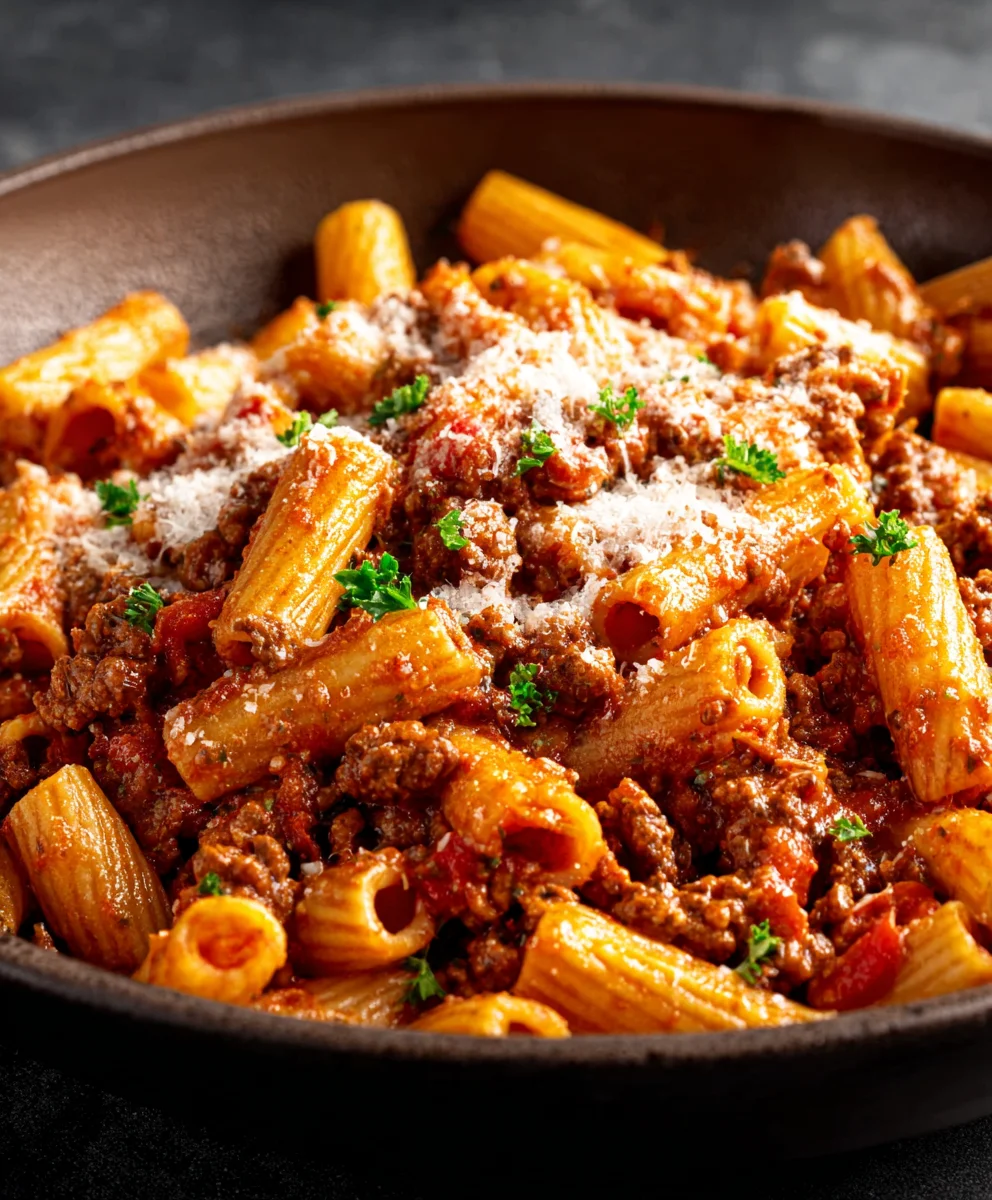
And there you have it – a delightful bowl of Beef Pasta in Tomato Sauce {Beef Ragu Pasta}, ready to impress! This recipe is a testament to how simple, quality ingredients can come together to create a truly comforting and satisfying meal. The slow-simmered beef ragu, rich with tomatoes and aromatic herbs, coats each strand of pasta beautifully, making every bite a burst of flavour. We hope you enjoyed making and savouring this classic dish. It’s perfect for a cozy weeknight dinner, a family gathering, or even for entertaining guests. Don’t be afraid to experiment and make it your own!
For serving suggestions, a sprinkle of freshly grated Parmesan cheese and a scattering of fresh basil leaves are absolute musts. A side of crusty bread for soaking up that delicious sauce is also highly recommended, along with a simple green salad to balance the richness.
When it comes to variations, feel free to add a splash of red grape juice to the sauce for an extra layer of depth, or incorporate finely chopped carrots and celery with the onions for a more traditional soffritto. For a spicier kick, a pinch of red pepper flakes would be a welcome addition. We encourage you to get creative and tailor this Beef Pasta in Tomato Sauce {Beef Ragu Pasta} to your personal preferences. Enjoy the process and the delicious results!
Frequently Asked Questions:
Can I make this Beef Pasta in Tomato Sauce {Beef Ragu Pasta} ahead of time?
Absolutely! The flavours of this Beef Pasta in Tomato Sauce {Beef Ragu Pasta} actually deepen and improve when made ahead. You can prepare the ragu a day or two in advance and store it in the refrigerator. Simply reheat it gently on the stovetop and cook your pasta just before serving. You can also freeze the ragu for up to 3 months.
What type of pasta is best for Beef Pasta in Tomato Sauce {Beef Ragu Pasta}?
While this ragu is delicious with any pasta, thicker shapes like fettuccine, pappardelle, or rigatoni hold the sauce particularly well. The ridges and surfaces of these pastas are perfect for catching every bit of the rich tomato and beef mixture. Spaghetti is also a classic choice and works wonderfully.
Can I use ground turkey or chicken instead of beef for this recipe?
Yes, you can! While beef provides a classic richness to this Beef Pasta in Tomato Sauce {Beef Ragu Pasta}, ground turkey or chicken are excellent alternatives for a lighter version. Be aware that leaner meats may cook slightly faster, and you might want to add a bit more olive oil during the sautéing process to prevent them from drying out.
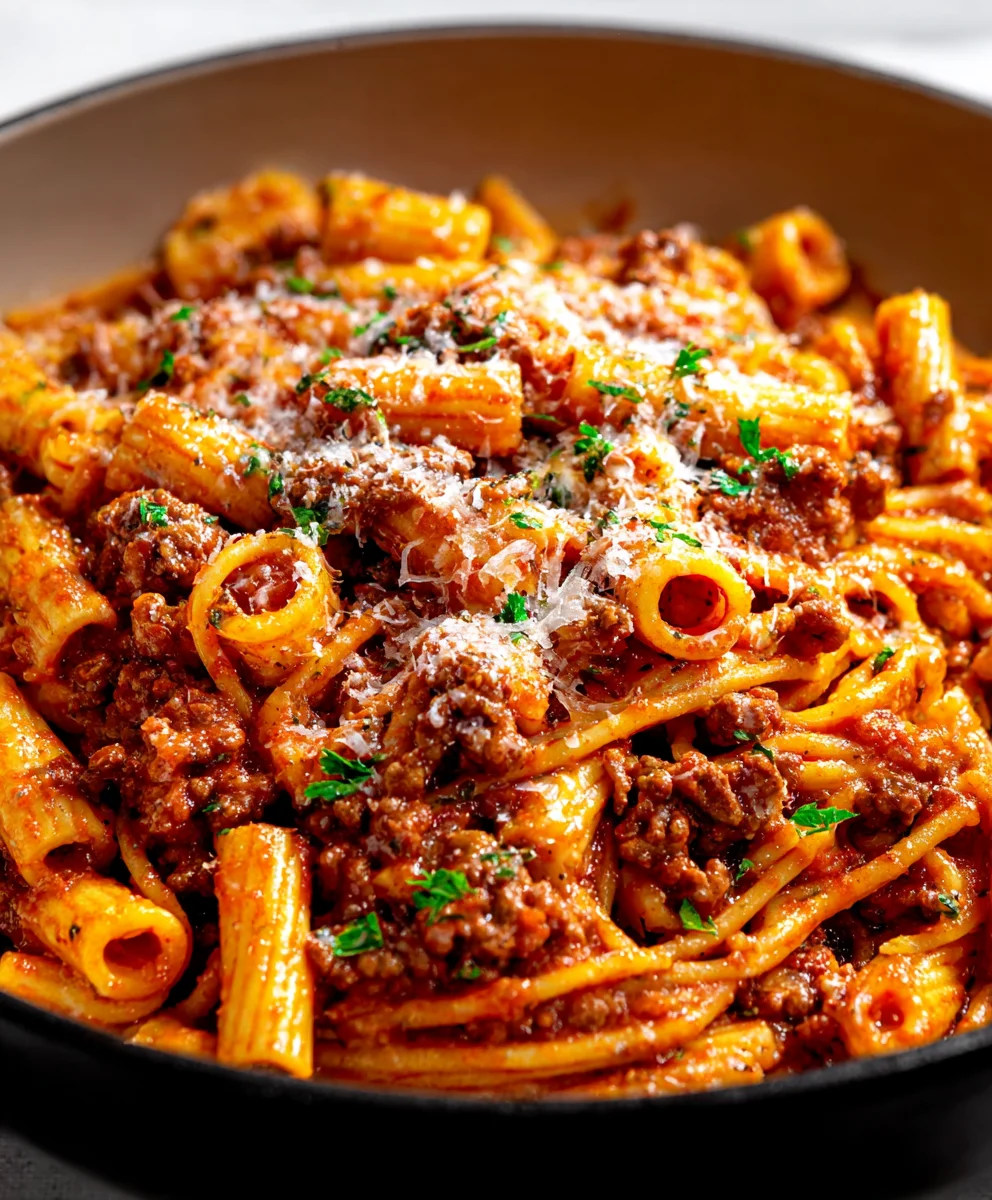
Classic Beef Ragu Pasta – Easy Tomato Sauce Recipe
A simple and delicious recipe for classic beef ragu pasta with an easy tomato sauce, perfect for a comforting weeknight meal.
Ingredients
Instructions
Important Information
Nutrition Facts (Per Serving)
It is important to consider this information as approximate and not to use it as definitive health advice.
Allergy Information
Please check ingredients for potential allergens and consult a health professional if in doubt.


Leave a Comment